


Casualties and Damage from Drone Strikes: As One killed and 11 injured at Dubai and Abu Dhabi airports as Iran strikes region
- by RNG247 Reporter
- about 7 months ago
- 455 views
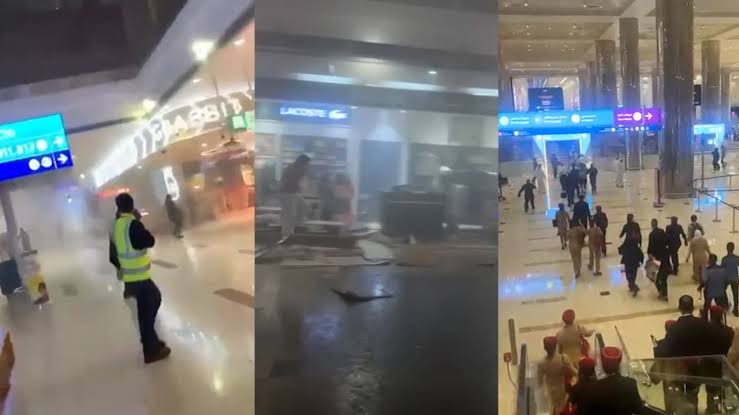
In a shocking escalation of conflict in the Middle East, one person has been killed and 11 others injured amidst drone strikes at airports in Dubai and Abu Dhabi. This violence stems from a retaliatory response from Iran following a sustained and aggressive military offensive by the United States and Israel.
Authorities in Abu Dhabi confirmed that Zayed International Airport (AUH) was targeted by an Iranian drone, which was intercepted. However, falling debris from the interception resulted in one fatality and seven injuries. In Dubai, the illustrious Dubai International Airport (DXB), the world’s busiest airport by passenger traffic, also experienced significant damage due to an unspecified "incident," injuring four airport staff members, though further details were not released.
The repercussions of these attacks have led to the grounding of thousands of flights in and out of the region, marking one of the most severe disruptions to global travel since the Covid-19 pandemic.
In a worrying trend, Iran has unleashed ballistic missiles and drones aimed at US allies and military assets throughout the Gulf region. This wave of violence follows the death of Iran’s supreme leader, reportedly due to a coordinated US-Israel assault initiated early Saturday morning.
Neighboring countries, including Qatar, Bahrain, Jordan, and Kuwait, reported successful interceptions of missiles aimed at their territories. However, debris from these interceptions has caused substantial damage, including a striking incident where Dubai resident Becky Williams described witnessing numerous missiles launched from nearby locations as UAE forces worked to thwart Iranian attacks. "You can hear the interceptions happening in the air," she noted.
In another alarming event, the Fairmont The Palm hotel on the Palm Jumeirah, an opulent man-made island, was struck by a substantial explosion, resulting in a fierce blaze and billowing smoke, as captured in verified footage. Debris from an intercepted drone also ignited a minor fire on the exterior of the iconic Burj Al Arab hotel.
The Jebel Ali deep sea port, the ninth busiest port in the world, suffered similar damage when falling debris from aerial interceptions caused a fire at one of its berths. Reflecting on the chaos, a 34-year-old Dubai resident shared, “What we've lived through over the past 24 hours is a fraction of what others have been living through in areas of conflict so it puts things in perspective.”
In Bahrain, the interior ministry reported damage at its airport, attributed to drone activity, with further unconfirmed reports hinting at continued assaults early Sunday morning. The Islamic Revolutionary Guard Corps (IRGC) of Iran claimed responsibility, asserting they had targeted the headquarters of the US Navy’s Fifth Fleet in Bahrain’s capital, Manama. Eyewitnesses reported thick clouds of black smoke rising from the vicinity of the naval base.
Oman, which has historically played a mediating role in US-Iran relations, was not spared either, as reports indicated that Duqm commercial port was hit by two drones, resulting in injuries to at least one worker.
In a recent press briefing, Qatari officials disclosed that Iran had launched a staggering 65 missiles and 12 drones on Saturday, of which most were intercepted; however, the attacks still caused damage and resulted in injuries to eight individuals.
Despite efforts by Gulf states to de-escalate tensions in recent years and their attempts to mediate a diplomatic solution to the crisis—while wary of allowing the US to launch attacks from their bases—this latest confrontation marks a turning point. The violent demise of Iran’s supreme leader creates an atmosphere of uncertainty, leaving the future of both Iran and the entire region hanging in the balance.
This complex and evolving situation highlights the fragile state of peace in the Gulf, where diplomatic efforts face the overwhelming forces of military aggression, and the safety of countless lives remains precarious.







0 Comment(s)